Best practices
Biosolids and soil quality control
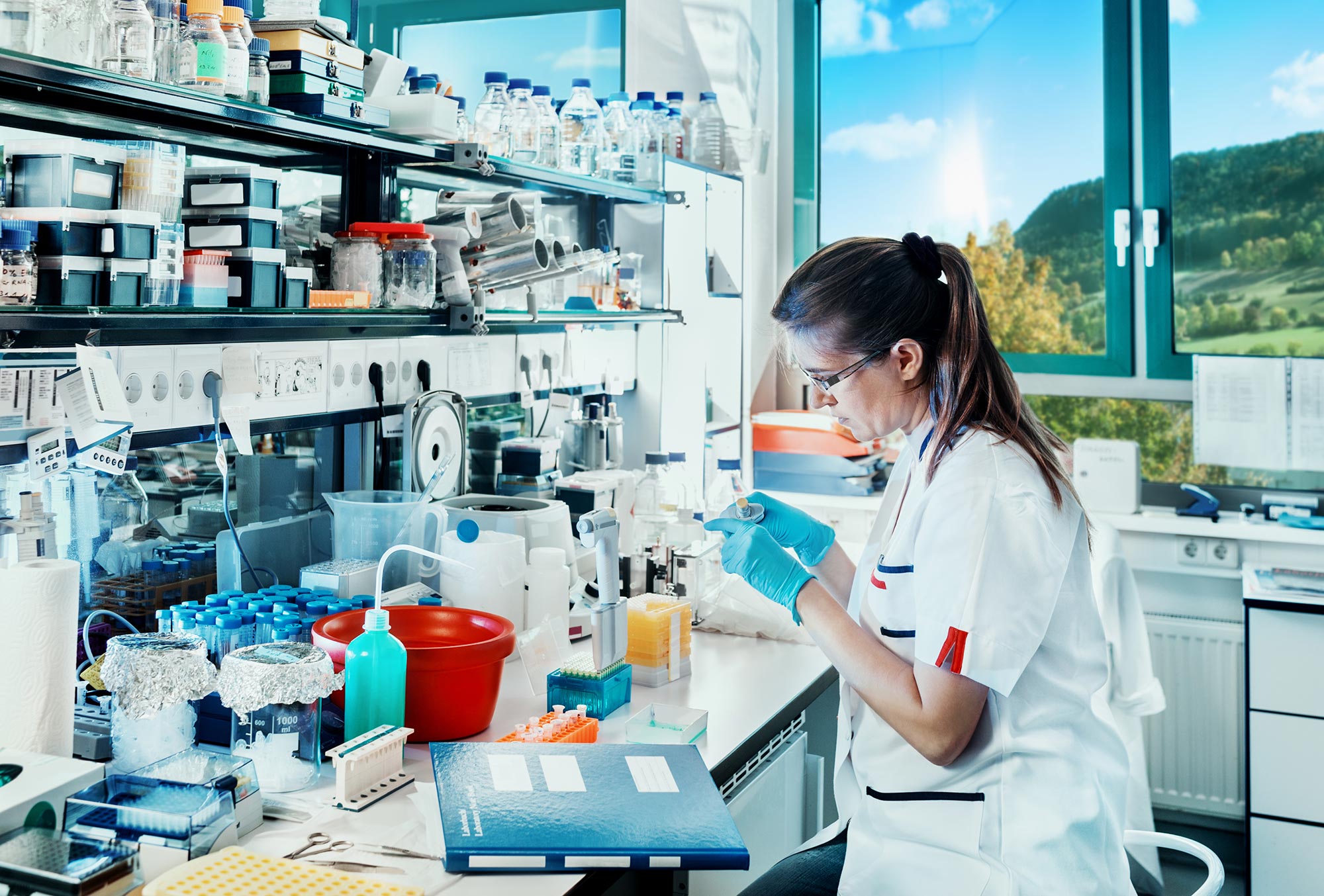
EFAR members regularly sample Biosolids before landspreading. Samples go to independent accredited laboratories. Only Biosolids compliant with heavy metals limit values are spread. Regular soil analysis assesses impact on soil quality.

Protection of the environment
Operations follow national and European regulation. Best practices cover water protection, buffer zones, topography and crop selection. Sensitive areas are identified by GIS mapping.
Management of the logistical chain
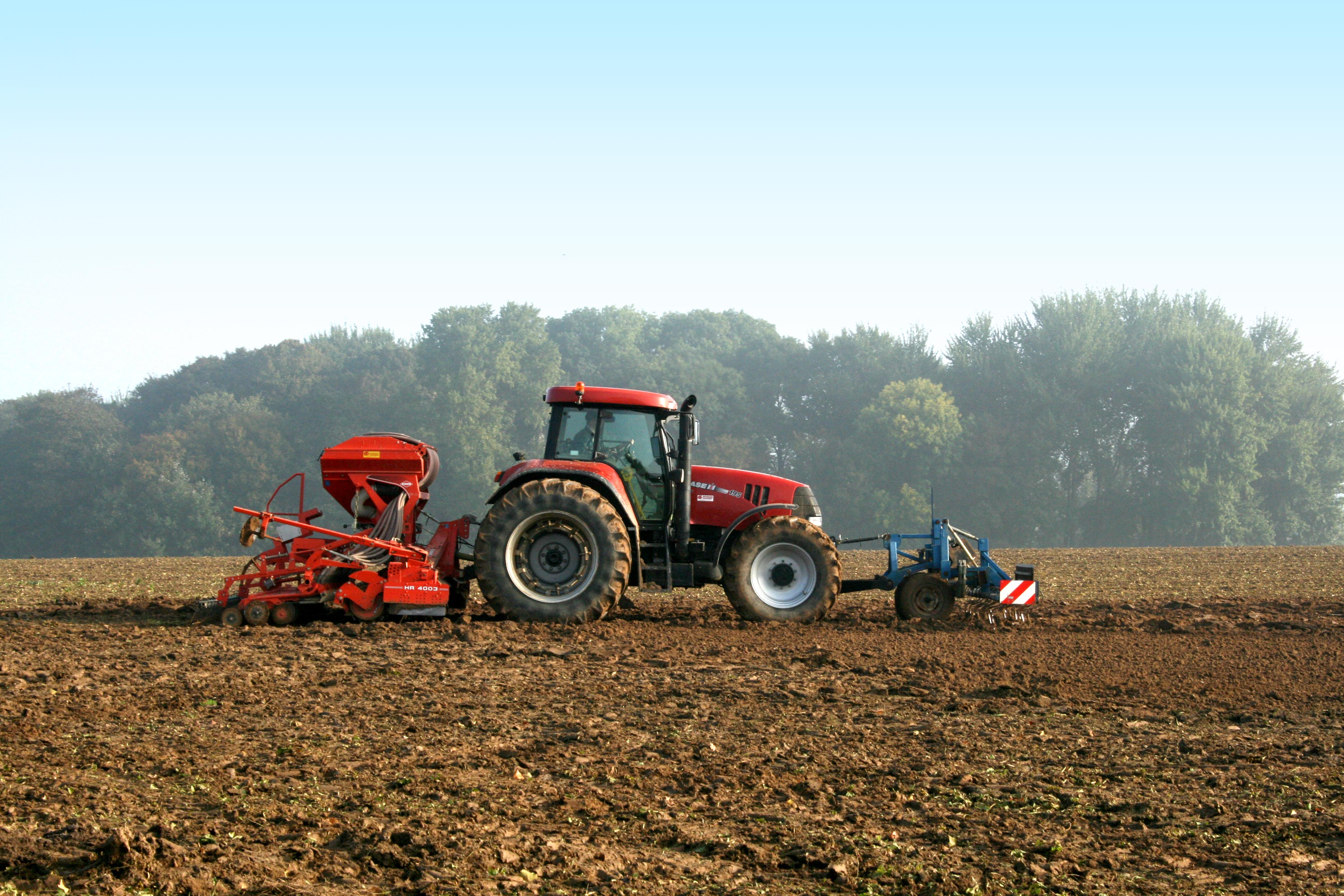
Treatment, storage, transport and spreading require specialised equipment: sealed tankers, waterproof storage with leachate collection, modified spreaders.

Traceability
Data on Biosolids, soil quality and spreading are registered in dedicated software so the entire operation is traceable.
Transparency
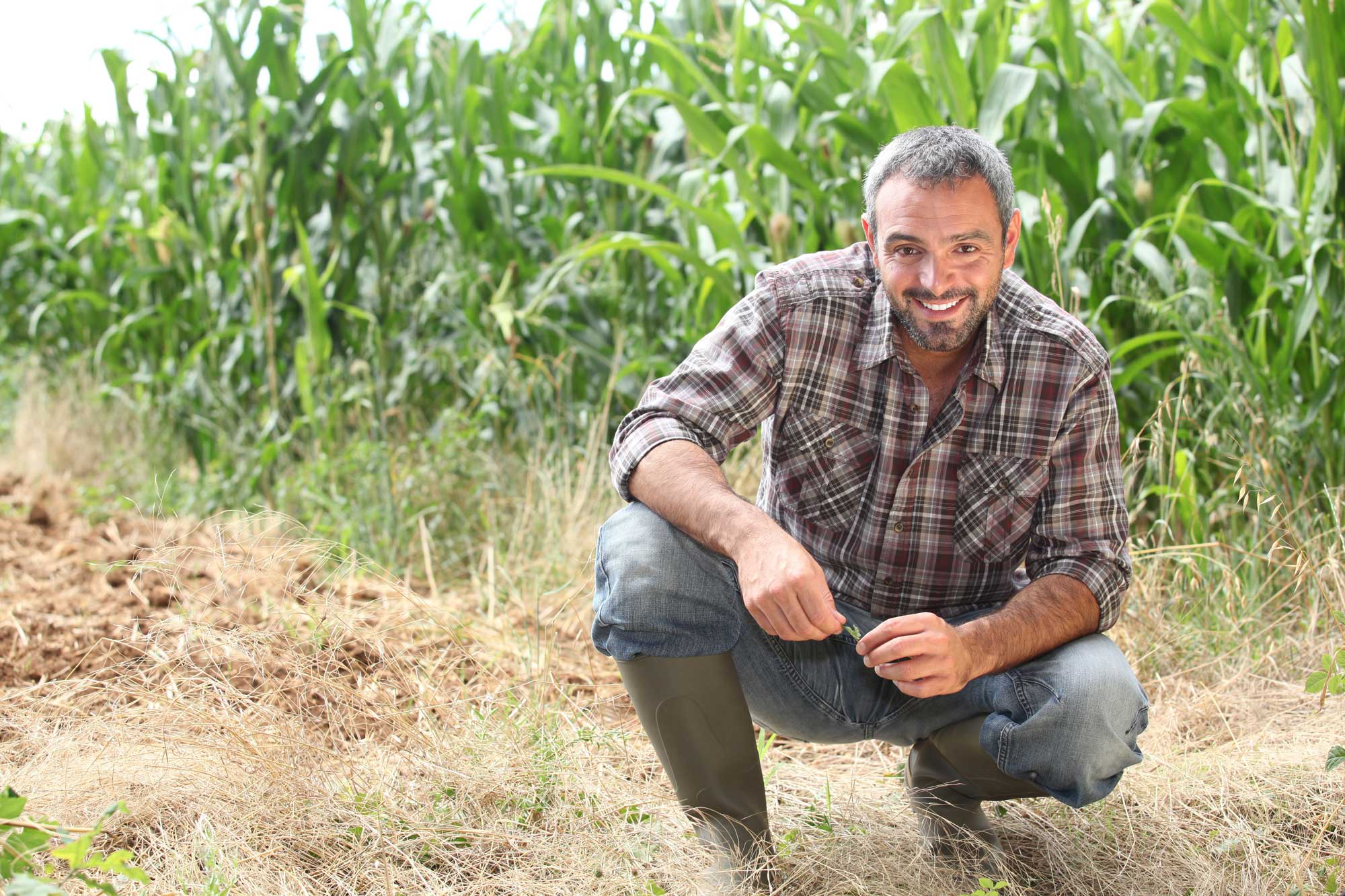
Members regularly report to local authorities and agencies. Communication is a key success factor.
Information of users and public
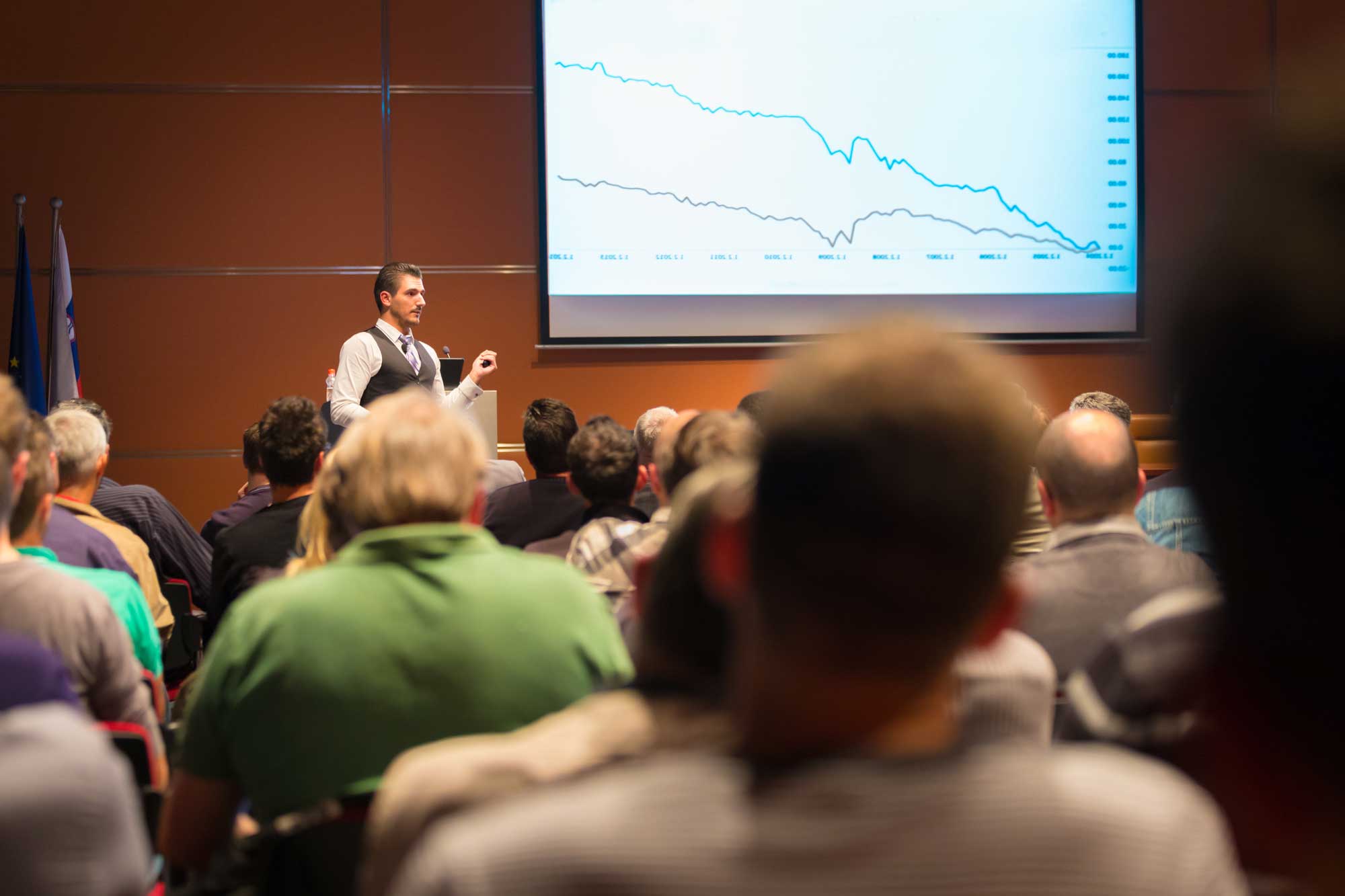
Origin and quantity of Biosolids, analysis results and operator contacts should be easily accessible to the public.
Benefits
Biosolids landspreading delivers benefits for soils, the environment, users and producers

For soils
Nearly 40% of European soils are deficient in organic matter. Biosolids landspreading helps restore fertility.

Fertilise the crops
Biosolids provide essential nutrients (N, P, K) for continued healthy plant growth.

Preserve water resources
Increases soil water holding capacity and can reduce irrigation needs significantly.

Reduce greenhouse gases
Avoids incineration/landfill emissions, reduces mineral fertiliser manufacture, and sequesters soil carbon.

For Biosolids users
Farmers save on mineral fertilisers and receive agronomical advice from EFAR technicians.

For Biosolids producers
Moderate treatment costs (about 30–40 €/t) and local processing create local jobs.
Link with the circular economy
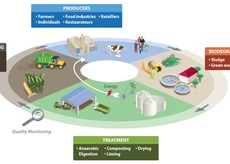
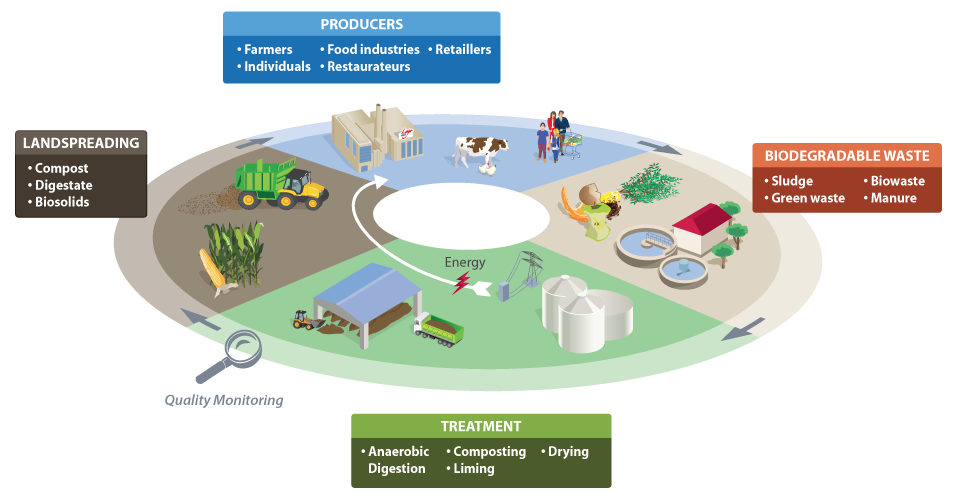
The circular economy optimises resource use and recycles products, by-products and wastes. Biosolids can fertilise soils and crops instead of mineral fertilisers; they can also provide energy through anaerobic digestion.
Landspreading conserves natural resources (phosphate, nitrogen), reduces energy needs and environmental impact, and creates local jobs.