
Origin
Waste water produced by industrial and urban activities are collected for treatment through physical, chemical and biological processes. There are two major outputs from a waste water treatment plant (WWTP):
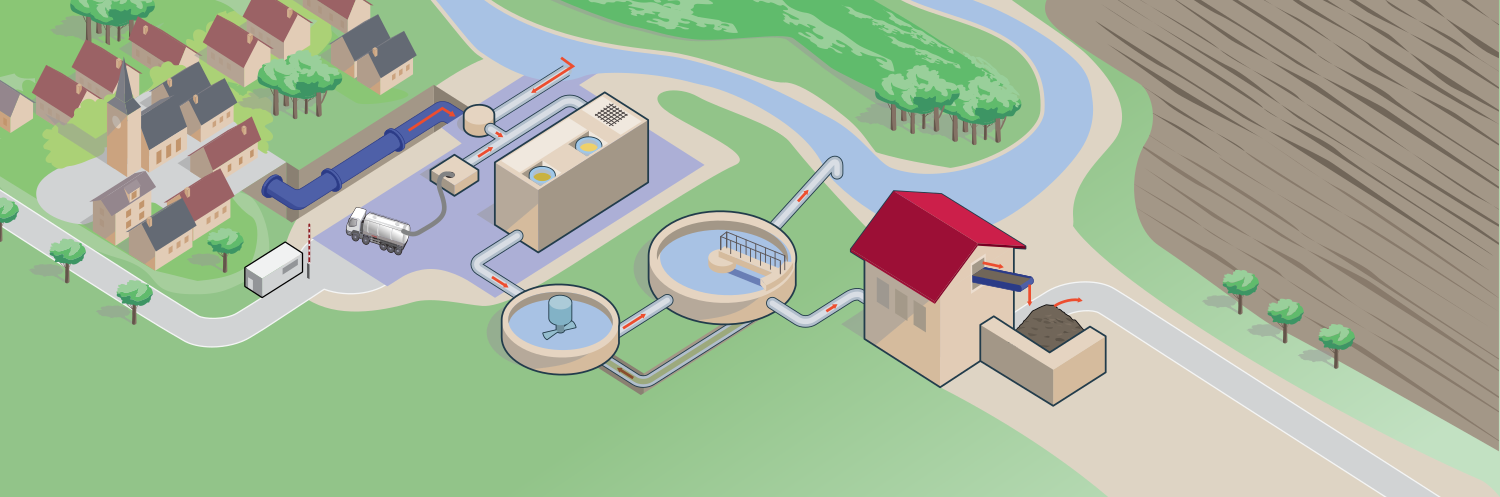

Clean water can be safely discharged to the environment
High quality treated sludges become Biosolids
Biosolids refers to treated sludge that meets quality standards for safe land application.
To guarantee the quality of municipal Biosolids, the discharge of effluent to the sewer is highly regulated. For some industries it is therefore mandatory to install pre-treatment equipment to remove potential hazardous contaminants before they can reach the wastewater treatment plant. The waste water treatment operators constantly monitor the processes that result in Biosolids.
Composition
The main components of Biosolids are water, organic matter, macro and micro nutrients and potential toxic elements such as metals and organic compounds.
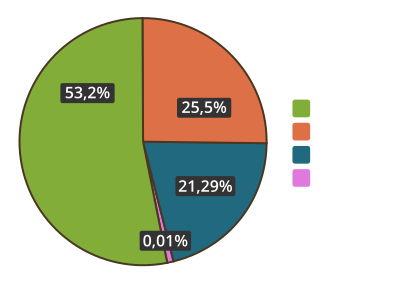
The following diagram represents the different components of the Biosolids on a dry matter basis.
Organic matter
The major component of Biosolids is organic matter, which forms an average of 50% to 60% of the dry solid content.
This organic matter is generated from the suspended solids that are contained in the effluent discharged to the waste water treatment plant, and from the excess microorganisms produced by the biological part of the treatment process.
The intrinsic characteristics of organic matter in Biosolids are very similar to animal manure; this means that the nutrients bound to the organic matter will be readily available.
Pathogens
Depending on the type of effluent reaching the waste water treatment plant, different types of pathogens can be found in sludge.
For sewage sludge, the main types of species found are bacteria, viruses, helminths, protozoa and fungi. Sludge produced by the food industries such as dairy, abattoir or meat processing factories also contain pathogens related to their activities.
Sludge treatment, such as thermophilic digestion, liming or composting can produce Class A Biosolids that contain no detectable levels of pathogens.
After land application, most pathogens decline below detectable limits within 3 months, except for helminth ova which will take up to 2 years.
Organic compounds
Biosolids may also contain traces of organic compounds from industrial discharge or domestic products.
These substances can be persistent in soil, but transfer to crops is extremely limited. Member States define limit values to ensure safety of land application.
Nutrients
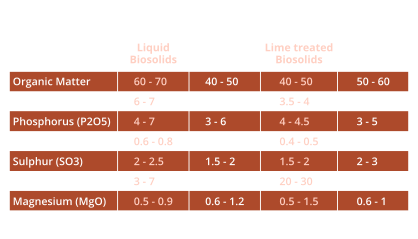
Biosolids contain major nutrients (N, P, K) essential for crop nutrition, plus micronutrients such as Copper, Magnesium and Zinc.
Nitrogen (N) is essential for plant growth. Phosphorus (P) promotes root and stem growth. Potassium (K) enhances resistance to disease, drought and frost.
Heavy metals
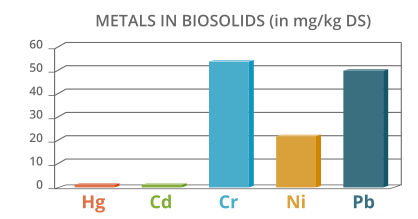
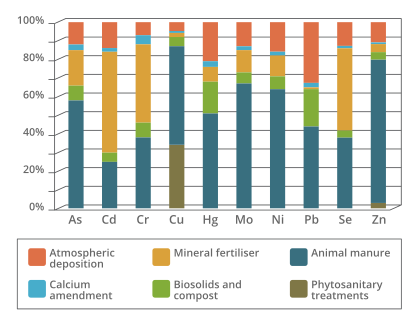
Biosolids contain metals in trace amounts. Main regulated metals (Cd, Hg, Ni, Pb, Cr) represent on average less than 200 mg/kg DS.
Legal thresholds protect public health; amounts from Biosolids are usually insignificant versus regulatory limits.
Treatment
Depending on their final destination, additional treatments of the Biosolids may be implemented.
There are three main types of Biosolids treatment
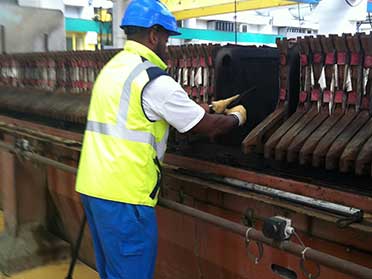
Treatments to reduce the water content
These treatments (thickening, dewatering or drying) aim to increase the dry matter content to improve physical characteristics and facilitate transport, storage and landspreading.
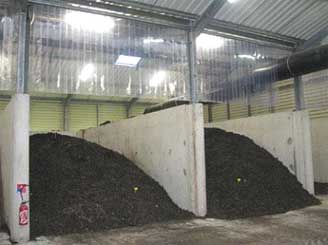
Treatments to stabilise organic matter
These treatments (liming, composting, anaerobic digestion) aim to reduce the biodegradability of Biosolids in order to eliminate odours.
Pasteurisation treatments
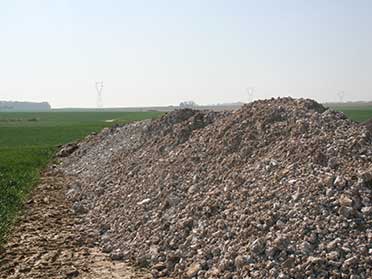
These treatments aim to destroy pathogens. Pasteurisation and stabilisation are often carried out simultaneously.
According to the implemented treatments, different types of Biosolids are produced: thickened, dewatered, dried, digested, limed, composted…
The Biosolids fertilising properties are also different depending on the chosen treatment.
The choice of the Biosolids treatment must be based on identified agricultural outlets.
Outlets
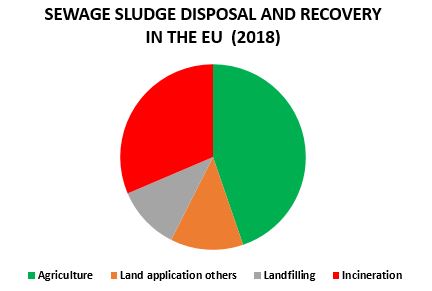
Biosolids can be routed to three outlets
Incineration
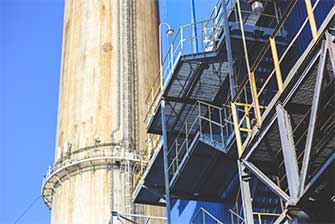
Reduces volume but produces ash for landfill. Often does not produce net energy. Beneficial constituents are lost. Most expensive option.
Landfilling
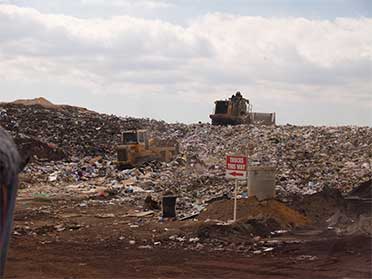
Easiest disposal option but not sustainable: organic matter, nitrogen and phosphorus are definitively lost. Should be limited to non-compliant sludge.
Landspreading
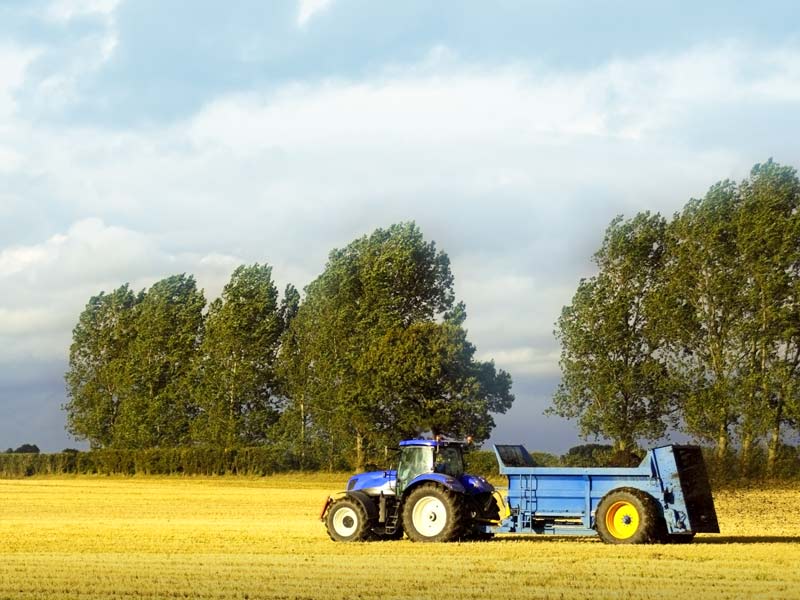
Beneficially reuses organic matter and nutrients. Heavily regulated. The only sustainable recovery route when quality is monitored.
Regulation in Europe
The use of sludge is regulated by three main European framework directives

The Sewage Sludge Directive 86/278/EEC
Encourages sludge landspreading and prevents harmful effects on soil, crops, animals and humans. Sets limit values for heavy metals in soil and sludge.
The Waste Framework Directive
Promotes reuse and recycling including organic substances, and provisions for end-of-waste criteria.
The Nitrates Directive
Protects water from pollution caused by nitrates from agricultural sources, including organic fertilisers.